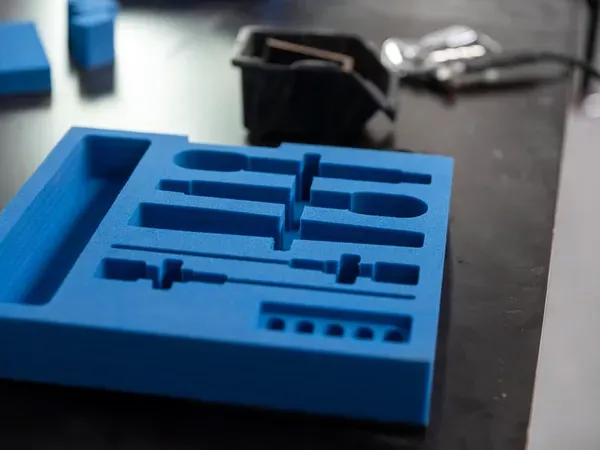
Stepping Into the Future of Custom Manufacturing
Welcome to an exciting exploration into the realm of custom manufacturing—a field where precision meets innovation and flexibility fuels growth. This introduction sets the stage for uncovering dynamic strategies that enable businesses to adapt to ever-changing production demands. Custom manufacturing is revolutionizing traditional processes by integrating tailored solutions that boost operational efficiency, enhance product quality, and streamline supply chains.
In today’s competitive market, understanding these processes is essential. Throughout this guide, you will learn how to:
-
Leverage bespoke production techniques to reduce waste and improve outcomes
-
Implement practical, cost-effective changes in your manufacturing workflow
-
Navigate quality control challenges in variable production settings
-
Adapt localized strategies relevant to diverse industrial regions, including key markets in areas like Iowa
By embracing these insights, you can transform manufacturing challenges into opportunities for innovation and growth. Prepare to dive deeper into actionable tips and expert guidance that will reshape your view on custom manufacturing and its significant impact on modern business success.
Navigating Common Obstacles in Custom Manufacturing
In today’s rapidly shifting production landscape, manufacturers often face hurdles that can slow down progress and inflate budgets. Variability in order sizes, material inconsistencies, and supply chain disruptions challenge even the most seasoned professionals. Custom manufacturing requires a delicate balance between flexibility and precision—where too much deviation can reduce efficiency, and too rigid an approach may hinder innovation.
To turn these challenges into opportunities, consider these practical strategies:
-
Standardize where possible: Create repeatable workflows to minimize error margins.
-
Invest in training: Empower your workforce with the latest industry techniques.
-
Adopt agile methods: Implement flexible scheduling and digital workflow management.
-
Leverage local insights: Utilize regional expertise, especially in manufacturing hubs like Iowa, to troubleshoot and refine processes.
By systematically addressing these issues, businesses can optimize production, reduce downtime, and drive continuous improvement. Embracing modern methodologies and technology not only mitigates risks but also positions manufacturers to meet increasing market demands, paving the way for sustainable growth.
Mastering Efficiency in Custom Manufacturing
Experience a transformative approach to custom manufacturing optimization with this step-by-step guide. In today’s competitive landscape, enhancing production workflows is key to achieving reliability and innovation.
-
Assess Current Processes: Begin by mapping your existing manufacturing workflow. Identify bottlenecks by reviewing equipment, labor allocation, and material handling. Tip: Use process mapping diagrams to visualize transitions from raw materials to finished products.
-
Implement Lean Techniques: Incorporate lean manufacturing principles. Streamline operations by reducing waste, optimizing layout, and utilizing automation where possible. Tip: Regularly review process efficiency to detect and eliminate non-value added steps.
-
Integrate Data Analysis: Use real-time monitoring and data analytics to track production performance. Adjust variables such as cycle time and resource allocation to enhance throughput.
-
Quality Control Checkpoints: Establish frequent quality checks at various manufacturing stages. This minimizes errors and guarantees that the end product meets industry standards.
-
Local Adaptations: Tailor enhancements to meet regional market demands, ensuring that improvements in places like Crescent, Iowa, are both relevant and effective.
By following these actionable steps, manufacturers can optimize their processes, reduce costs, and boost overall operational productivity.
Innovative Trends Redefining Custom Manufacturing
Custom manufacturing is rapidly evolving as advanced technologies blend with traditional techniques, sparking transformative shifts in production processes. Modern facilities are increasingly turning to automation and smart systems, driving efficiency and precision within the industry. Entrepreneurs and manufacturers are now exploring technologies like additive manufacturing, robotics integration, and digital twin simulation to enhance production capabilities and reduce waste.
These emerging trends are not only streamlining workflows but also providing actionable solutions for common challenges such as quality control and supply chain management. Consider these key focus areas:
-
Enhanced automation: Leveraging robotics and sensor technology to improve operational speed.
-
Data-driven insights: Employing digital twin models to optimize design and facilitate predictive maintenance.
-
Resilient supply chains: Using real-time analytics to adapt quickly to resource constraints.
Manufacturers across regions, including those in Iowa, are witnessing notable improvements in product consistency and turnaround times by integrating these innovative practices. Ultimately, embracing these modern trends equips custom manufacturing professionals with the tools necessary to stay competitive, optimize processes, and meet the increasing demands of an ever-evolving market.
Frequently Asked Questions About Custom Manufacturing
Q: What are the primary benefits of customized manufacturing processes? A: Customized manufacturing offers enhanced flexibility, allowing you to tailor production methods to meet unique specifications. This can lead to reduced waste, improved material utilization, and more efficient workflows that cater to challenging projects.
Q: How can tailored manufacturing reduce overall costs? A: By aligning production techniques with specific project needs, you can minimize rework and streamline labor. Optimizing production runs and resource allocation also contributes to decreasing operational expenses and long-term manufacturing costs.
Q: Which factors most influence process efficiency? A: Key elements include equipment precision, material quality, and staff expertise. A clear process plan helps identify bottlenecks, ensuring smooth transitions between production phases.
Q: What strategies help maintain quality standards in custom manufacturing? A: Regular quality inspections, consistent process monitoring, and leveraging standardized protocols throughout production are essential for meeting industry standards.
Q: How does location impact custom manufacturing processes? A: Regions like Crescent, Iowa, benefit from established local supply chains and regional expertise in manufacturing. Localized efforts foster compliance with regional regulations, reducing transportation delays and enhancing overall efficiency.
Wrapping Up: Driving Innovation in Custom Manufacturing
Reflecting on our deep dive into optimizing processes, it’s clear that thoughtful innovation is key to staying competitive in the custom manufacturing arena. By embracing efficient methods and leveraging advanced strategies, manufacturers can significantly enhance both quality and speed. This conclusion highlights several core takeaways:
-
Streamlined Operations: Identify bottlenecks in production and implement scalable solutions.
-
Adaptive Technology: Invest in flexible systems that allow rapid adjustments to changing market demands.
-
Data-Driven Insights: Use performance analytics to fine-tune practices and predict future trends.
To push these insights further:
-
Evaluate your current production workflows.
-
Experiment with new tools and methodologies.
-
Track progress to measure improvements aligned with industry best practices.
For manufacturers in regions like Crescent, Iowa, aligning local expertise with innovative practices is especially beneficial. Embrace these actionable steps as a roadmap toward continuous improvement and market resilience. Stay motivated by the endless potential to enhance manufacturing processes, driving both operational effectiveness and sustained growth. Your journey to refined production and competitive advantage begins with a commitment to smart innovation.